
US-China Trade War: Where Are We Now?
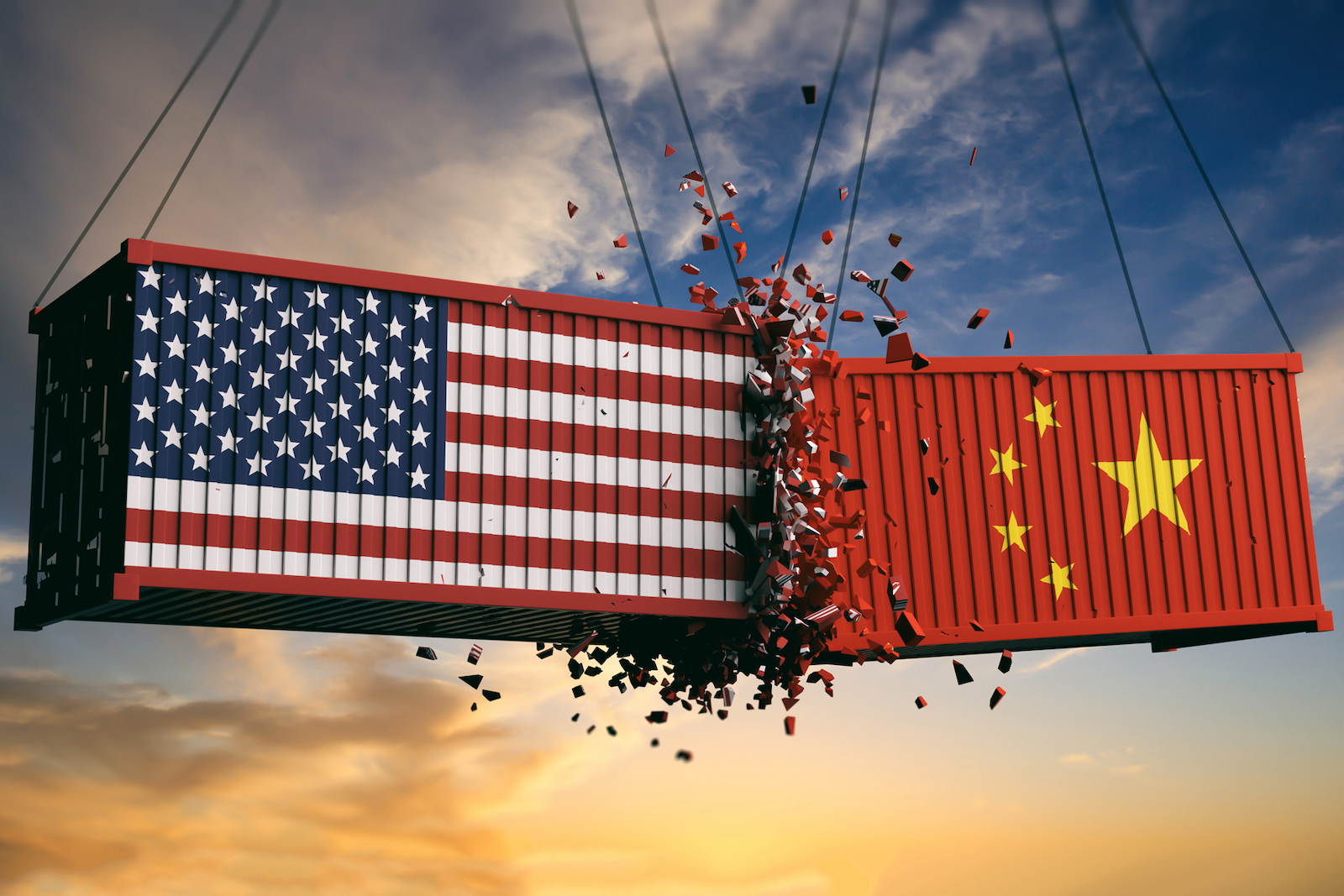
US-China Trade War: Where Are We Now? the trade war between the US and China has been one of the most significant economic conflicts of the 21st century. With deep implications for global trade, technology, and geopolitical dynamics, the trade war between US and China has reshaped the global landscape in ways that continue to be felt today. As the two largest economies in the world, their trade relationship has always been fraught with complexities, but the recent escalation of tariffs, sanctions, and countermeasures has brought this tension to the forefront of international relations.
To understand where the trade war between US and China stands today, it’s essential to look back at its origins, examine the key developments, and explore the present-day economic and political ramifications. This ongoing struggle isn’t just about trade deficits; it’s also about global influence, technological supremacy, and national security. So, where are we now in the context of this trade war, and what does the future hold?
The Genesis of the Trade War Between US and China
The roots of the trade war between US and China can be traced back to longstanding issues in the economic relationship between the two nations. While the US and China have enjoyed a massive trade partnership for decades, the relationship has been increasingly marked by significant imbalances, unfair trade practices, and strategic rivalry. These grievances, which have been accumulating for years, eventually reached a breaking point under the administration of President Donald Trump.
The US has consistently run a substantial trade deficit with China, a problem that many American policymakers argue is largely due to China’s trade practices. This includes:
- Intellectual Property Theft – The US has long accused China of stealing intellectual property from American firms, often through forced technology transfers.
- Market Access Barriers – China’s policies of forced joint ventures and other barriers to entry for foreign businesses have been a point of contention.
- Currency Manipulation – The US has also accused China of manipulating its currency to gain a competitive advantage in trade.
In 2018, after years of diplomatic talks and economic pressure, President Trump decided to act decisively by imposing tariffs on a wide range of Chinese goods, marking the beginning of the trade war between US and China. The aim was simple: force China to open its markets, stop unfair trade practices, and reduce the trade deficit. The immediate effect, however, was a sharp increase in tensions, with both sides quickly retaliating.
The Escalation of Tensions: Tariffs and Retaliation
Once the trade war between US and China officially began, both sides began imposing tariffs on each other’s goods. The US initially levied tariffs on $50 billion worth of Chinese goods, to which China responded with tariffs on US products of similar value. Over time, these tariffs expanded, with the Trump administration imposing tariffs on approximately $370 billion worth of Chinese imports. China responded in kind, hitting US exports, including agricultural products, automobiles, and even luxury goods.
The tariffs imposed were part of a broader strategy by the Trump administration to push for structural changes in the Chinese economy. Key demands from the US included:
- Intellectual Property Reform – China needed to address the widespread intellectual property theft and forced technology transfers.
- Ending Subsidies – The US sought the elimination of state-backed subsidies that allowed Chinese companies to dominate certain industries, especially in technology and manufacturing.
However, the trade war between US and China did not just involve tariffs. It also included non-tariff measures such as blacklisting Chinese tech companies, including Huawei, citing national security concerns. This marked a significant shift in the US-China relationship, as the conflict expanded beyond economics to encompass issues of technology, cybersecurity, and geopolitical power.
The Phase One Agreement: A Temporary Pause
After more than a year of escalating tariffs and retaliations, both nations reached a momentary pause in January 2020 with the signing of the Phase One trade deal. This agreement was a significant milestone in the trade war between US and China, as it aimed to ease tensions, at least temporarily.
Key provisions of the Phase One deal included:
- Chinese Purchases of US Goods – China agreed to purchase an additional $200 billion worth of US goods over two years, including agricultural products, manufactured goods, and energy.
- Intellectual Property and Technology – China committed to improving protections for US intellectual property, and both sides agreed to establish mechanisms for resolving disputes.
- Currency Manipulation – China also agreed to refrain from devaluing its currency to gain a competitive advantage in trade.
While the Phase One deal provided a temporary respite, it did not address the core issues that had fueled the trade war between US and China in the first place. Structural issues such as market access, state subsidies, and forced technology transfer were left unresolved, leading many analysts to believe that the conflict was far from over.
COVID-19: A Game Changer in Trade Dynamics
As the trade war between US and China reached a fragile truce with the Phase One agreement, the COVID-19 pandemic disrupted global trade and supply chains. With factories closing and global demand plummeting, the economic conditions that had contributed to the trade war shifted drastically.
However, the pandemic also highlighted the importance of securing critical supply chains, particularly in areas like healthcare, technology, and rare earth metals, where China plays a dominant role. The economic disruption caused by COVID-19 did not end the trade war between US and China, but it did complicate negotiations and strategic considerations.
US businesses and policymakers began to reconsider their dependence on Chinese manufacturing, with some pushing for “decoupling” – a process of reducing economic interdependence. This has led to ongoing debates about reshoring manufacturing jobs and diversifying supply chains outside of China, especially in sectors such as pharmaceuticals, electronics, and telecommunications.
The Biden Administration’s Approach: A Shift in Strategy
When President Joe Biden took office in January 2021, many anticipated a shift in the US approach to the trade war between US and China. While the Biden administration has generally taken a less confrontational tone than its predecessor, it has maintained many of the key policies implemented by the Trump administration, including tariffs and the blacklisting of Chinese companies like Huawei.
However, Biden’s approach has focused more on multilateral diplomacy and working with allies, particularly in Europe and Asia, to address concerns about China’s trade practices. Instead of a purely bilateral approach, the Biden administration has emphasized the importance of building a coalition to address global challenges posed by China, such as:
- Global Supply Chains – Working with international partners to ensure that critical supply chains are not dominated by any single country, especially China.
- Technology and Security – Coordinating efforts to safeguard 5G networks, artificial intelligence, and other emerging technologies from Chinese influence.
- Human Rights and Geopolitical Issues – Addressing broader concerns such as human rights abuses in Xinjiang and the situation in Hong Kong, which have strained US-China relations.
Despite these shifts, the core issues of the trade war between US and China remain unresolved. While there have been some efforts to ease tensions, including Phase One and Phase Two talks, the structural imbalances in the relationship have not been addressed in a meaningful way. The underlying issues—such as intellectual property theft, forced technology transfers, and market access—are still very much on the table.
Current Landscape: What’s at Stake Now?
The trade war between US and China is no longer just about tariffs or trade deficits. It has evolved into a broader competition for technological and economic supremacy. The US sees China’s rise as a challenge to its global dominance, particularly in emerging technologies like artificial intelligence, semiconductors, and 5G telecommunications. On the other hand, China views its growing technological capabilities as a path to reducing its dependence on foreign countries and asserting its influence on the global stage.
For businesses and consumers, the long-term impact of the trade war between US and China is felt through:
- Higher Costs – Tariffs and supply chain disruptions have led to higher prices for a wide range of goods, from electronics to everyday consumer products.
- Uncertainty in Global Markets – Ongoing trade tensions create instability in global markets, affecting investment decisions, stock prices, and the overall economic climate.
- Technological Competition – With both countries vying for dominance in key technologies, businesses must navigate a landscape where technology policies and intellectual property concerns play a pivotal role.
The geopolitical fallout of the trade war between US and China has also reverberated beyond the economic sphere, influencing global alliances, military strategies, and international diplomacy.
Looking Ahead: The Future of the Trade War Between US and China
As the world enters a new era of global economic and technological competition, the trade war between US and China is unlikely to disappear anytime soon. The US and China will continue to compete for global influence, with each side leveraging its economic and technological power to assert its position on the world stage.
In the short term, the Biden administration may seek to ease tensions through multilateral agreements and targeted diplomacy, but the fundamental issues that sparked the trade war remain unresolved. For businesses, investors, and policymakers, understanding the long-term dynamics of this conflict will be critical in navigating the shifting tides of global trade and competition.
The trade war between US and China has transformed from a dispute over tariffs to a broader contest of economic and technological dominance. While both nations have sought to de-escalate tensions at various points, the core issues—such as intellectual property, market access, and technological supremacy—remain unresolved. As the global landscape continues to evolve, the trade war between these two superpowers will likely remain a defining feature of international relations for years to come. The question remains: how far will the US and China be willing to go in this ongoing struggle for global influence? The world is watching, and the outcome will shape the future of global trade and geopolitics.